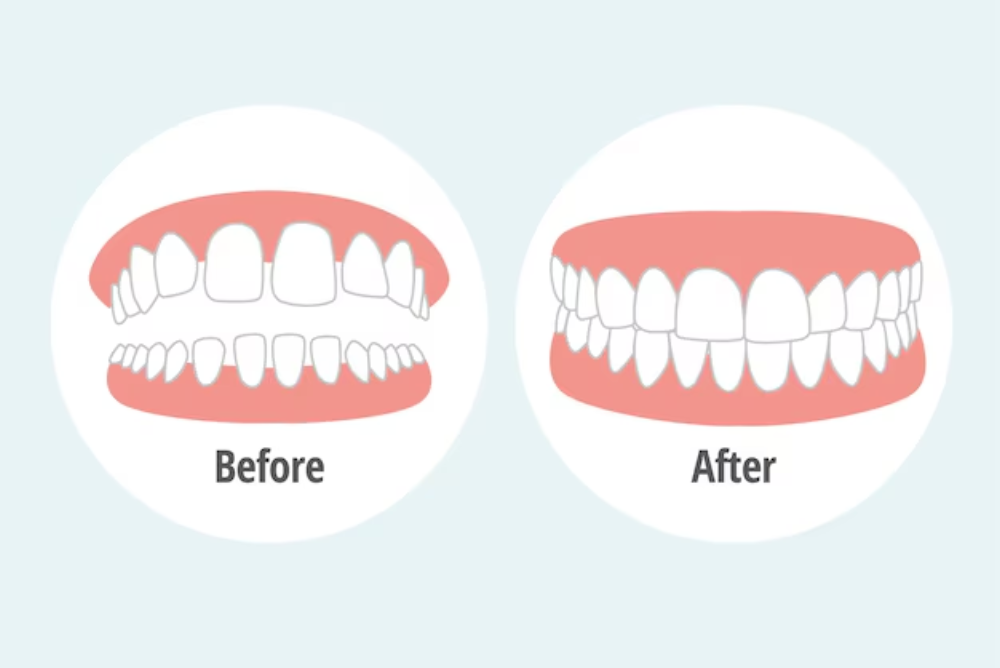
If you find yourself constantly shifting your jaw to find a comfortable resting position, you aren’t alone. Many people live with a misaligned bite without realizing that a simple bite adjustment can solve their discomfort. Your bite, or how your upper and lower teeth meet, plays a massive role in your overall health. When teeth don’t line up correctly, it sets off a chain of issues that affect your smile, your muscles, and even your sleep.
Understanding the warning signs of a bad bite can help you avoid long-term damage. Here is what you should look for and how professional care can help.
Common Signs of an Uneven Bite
A misaligned bite often starts with subtle symptoms. You might notice that your teeth feel “tight” or that one specific tooth hits before the others when you close your mouth. Over time, this imbalance puts extra pressure on particular areas of your jaw.
- Frequent headaches or migraines, especially in the morning.
- Clicking or popping sounds when you open your mouth wide.
- Noticeable wear or flattened tooth surfaces.
- Pain when chewing tough or crunchy foods.
- Teeth that feel loose or shift over time.
Why Your Jaw Alignment Matters
When your teeth don’t fit together like a puzzle, your jaw muscles have to work overtime to compensate. This constant tension leads to facial pain and can even cause your teeth to chip or crack. Seeking a periodontist in Marietta is often the best step, as these specialists understand how the bite affects the gums and the bone supporting your teeth.
If you have been searching for a periodontist near you, you likely already suspect that your dental alignment is affecting your quality of life. Issues like gum recession and bone loss are frequently linked to “occlusal trauma,” which is just a fancy way of saying your bite is hitting too hard in the wrong places.
Bite Alignment Comparison
| Symptom | Potential Cause | Possible Solution |
| Chipped front teeth | Overbite or underbite | Orthodontic correction |
| Morning jaw soreness | Teeth grinding (Bruxism) | Night guard or adjustment |
| Clicking jaw joint | TMJ Disorder | Jaw alignment treatment |
| Sensitive teeth | Uneven pressure | Smoothing high spots |
Professional Treatment Options
The good news is that modern dentistry offers several ways to fix these issues. Depending on the severity of your misalignment, your doctor might suggest several options.
For minor issues, a simple smoothing of the tooth enamel can create a more balanced surface. This is a quick, painless way to get a bite adjustment without surgery. For more complex cases involving the structure of the jaw, you might require overbite or underbite correction to ensure your smile functions properly.
In some cases, a jaw alignment treatment may involve clear aligners or a mouthguard. With these tools, the jaw is guided into a neutral position, allowing the muscles to relax and the joints to heal.
Conclusion
At Kennestone Periodontics, a healthy smile starts with a functional foundation. Our expert team can help if you’ve been experiencing jaw pain or noticing some wear on your teeth. We provide comprehensive dentistry that helps ensure comfort and balance in your bite while preserving your smile for years to come.
Don’t let dental discomfort keep you anchored any longer. You could give our office a call today to book an appointment to discover how a professional bite evaluation can help you.
Frequently Asked Questions
What causes a bite to become misaligned?
Bites can change due to lost teeth, shifting teeth, or even large fillings that weren’t shaped perfectly. Some people are born with a jaw structure that requires adjustment.
Does a bite adjustment hurt?
No. Most adjustments involve very minor reshaping of the teeth’s biting surfaces. It is a non-invasive process that usually requires no numbing or downtime.
Can a bad bite cause gum disease?
While it doesn’t directly cause infection, an uneven bite puts stress on the supporting bone and gums. This can make existing gum disease get worse much faster.
How long does treatment take?
Minor adjustments can be finished in one or two visits. More complex structural corrections might take several months of gradual alignment.